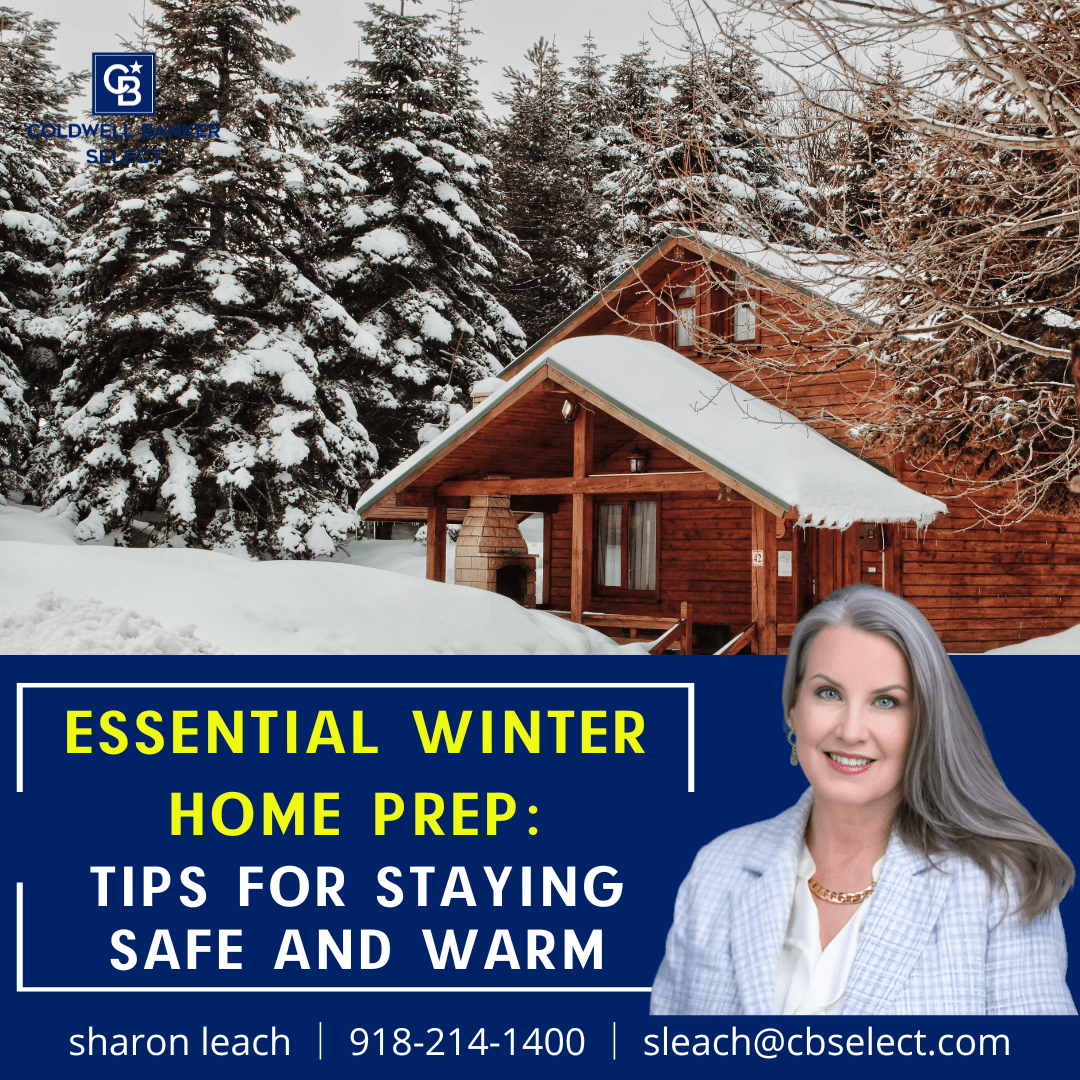
Preparing a home for extreme winter weather is essential to prevent damage, maintain energy efficiency, and ensure safety. Here’s a comprehensive guide for homeowners:
1. Insulate and Seal
- Inspect Insulation: Check the attic, walls, and basement for adequate insulation to prevent heat loss.
- Seal Drafts: Use weather stripping and caulk to seal gaps around windows, doors, and vents.
- Install Storm Windows: Consider adding storm windows or plastic film to reduce heat loss.
2. Protect Plumbing
- Insulate Pipes: Wrap exposed pipes, especially in unheated areas, with pipe insulation or heat tape.
- Drip Faucets: During extreme cold, let faucets drip to prevent frozen pipes.
- Shut Off Exterior Water: Drain and shut off water to outdoor faucets and irrigation systems.
3. Maintain Heating Systems
- Service the Furnace: Schedule a professional inspection and cleaning for your furnace or boiler.
- Test Thermostats: Ensure thermostats are functioning properly.
- Stock Filters: Replace furnace filters regularly to improve efficiency.
4. Prepare the Roof and Gutters
- Inspect Roof: Repair any loose shingles or leaks to prevent water damage.
- Clean Gutters: Remove debris to prevent ice dams.
- Add Roof De-Icing Cables: In areas prone to ice dams, consider installing de-icing cables.
5. Check Chimneys and Fireplaces
- Schedule an Inspection: Have chimneys cleaned and inspected for blockages or creosote buildup.
- Use a Fireplace Screen: Protect against sparks if using a wood-burning fireplace.
6. Improve Energy Efficiency
- Upgrade Windows: Use energy-efficient windows or apply thermal curtains.
- Install a Programmable Thermostat: Optimize heating schedules to save on energy costs.
- Reverse Ceiling Fans: Set fans to rotate clockwise to push warm air down.
7. Prepare for Power Outages
- Stock Supplies: Keep flashlights, batteries, a battery-powered radio, and blankets handy.
- Install a Generator: A backup generator can keep essential systems running.
- Check Surge Protectors: Protect electronic devices from power surges.
8. Outdoor Preparations
- Trim Trees: Cut back branches that could break under the weight of snow or ice.
- Store Outdoor Furniture: Protect or store patio furniture, grills, and equipment.
- Stock Ice Melt and Shovels: Keep snow removal tools and de-icing materials ready.
9. Emergency Preparedness
- Create an Emergency Kit: Include food, water, medications, and essential supplies for at least 72 hours.
- Have a Family Plan: Know where to go and how to communicate if extreme weather strikes.
- Monitor Weather Alerts: Stay informed using apps or local alerts.
10. Insurance and Documentation
- Review Coverage: Ensure homeowners’ insurance covers winter-related damage.
- Document Property: Take photos or videos of your home and belongings for insurance claims.
By proactively addressing these areas, homeowners can better safeguard their properties and reduce the risks associated with harsh winter conditions.
Facebook
Twitter
LinkedIn